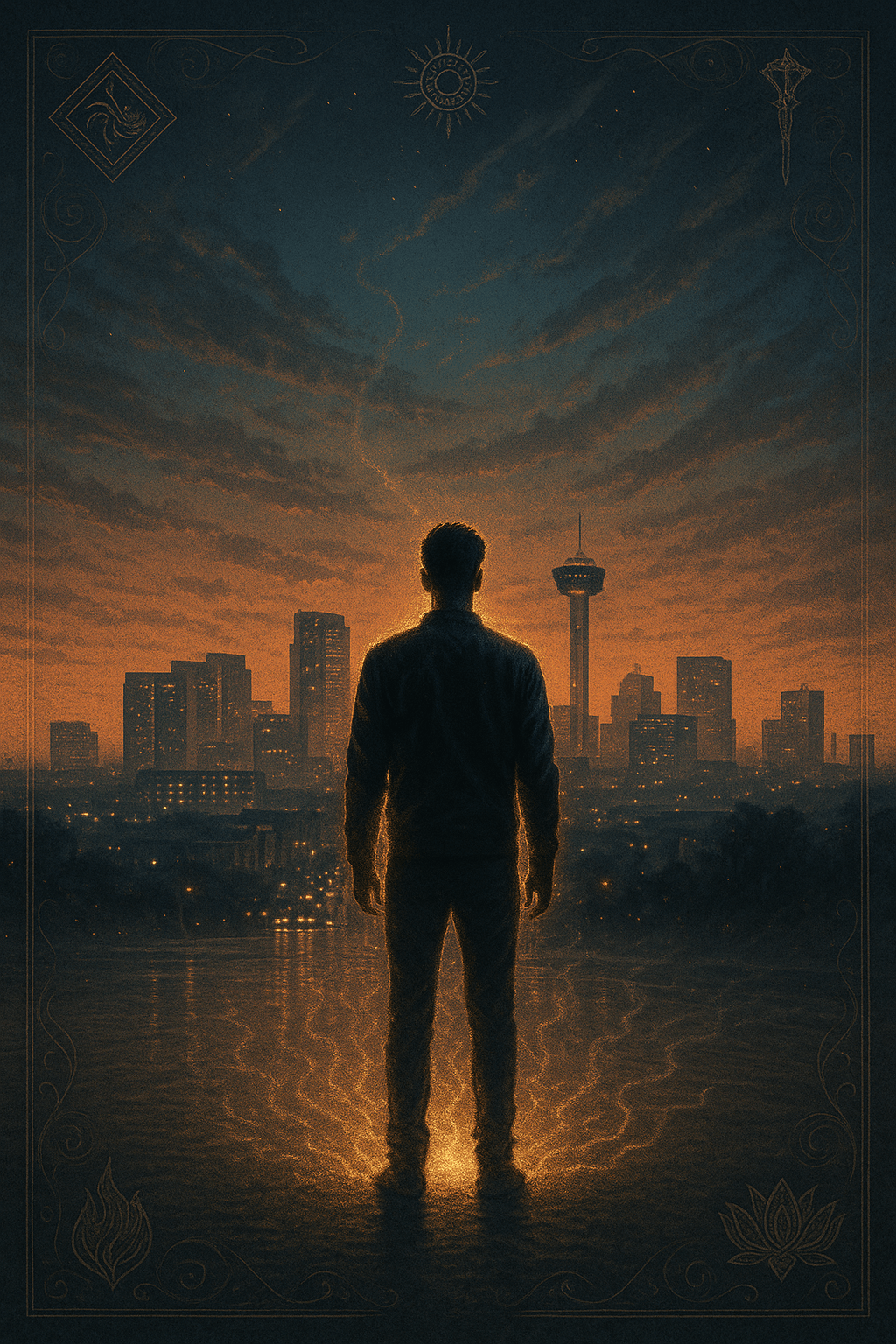
“Ganymede, whom the gods caught up for his beauty, to dwell with the immortals and pour wine for Zeus himself — so fair that not even the thunderer could resist him.” Homer, Iliad
The Beverly Rose
In 1695, Beverly, Massachusetts was still young—barely twenty-seven years old since its separation from Salem. A modest, God-fearing town pressed between cold sea cliffs and autumn hills, it was built on the backs of old families and older fears. They farmed, they prayed, they remembered the voyage over, and above all—they kept order.
And no family was more orderly, more established, more woven into the town’s bones than the Ashlines.
Their orchard bordered First Parish. Their name adorned ship ledgers, marriage records, and donation plaques. Their patriarchs served as magistrates and their matriarchs delivered half the town’s babies. The Ashline house, white clapboard and heavy-beamed, sat on the hill like a steward watching the coastline.
And in that house lived Thalia Ashline.
At fifteen, she was the most beloved girl in Beverly.
She was striking—not just pretty, but unsettlingly beautiful. Skin like candle-wax, hair dark as stormwater, eyes that watched too carefully and too kindly. People stopped when she entered a room. Children brought her ribbons. Elders blessed her without realizing it.
They called her “Our Beverly Rose.”
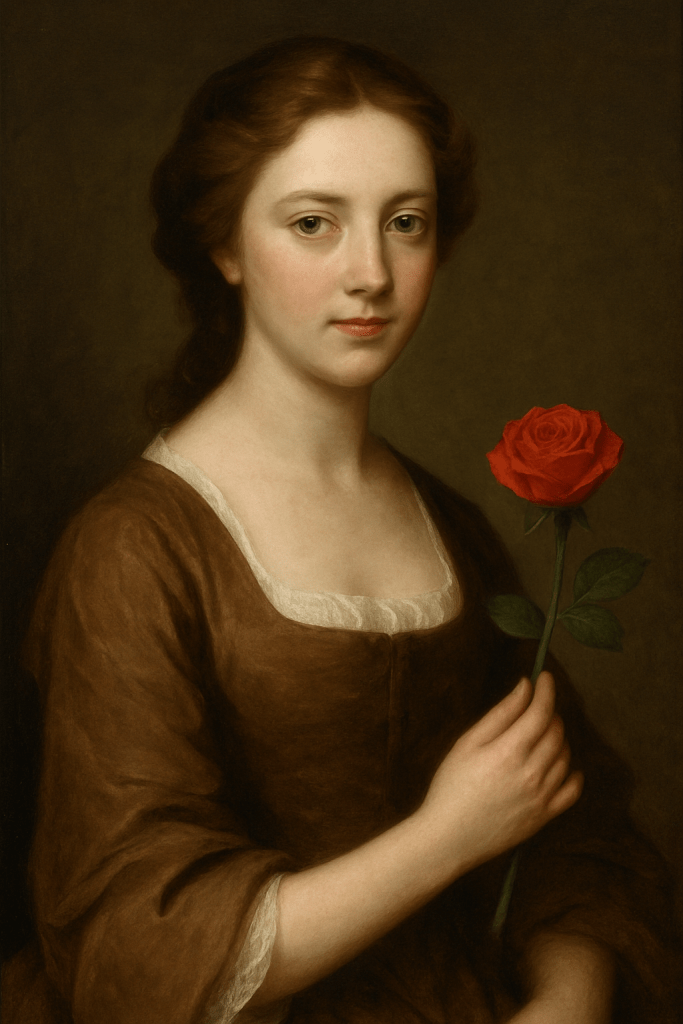
She walked in the orchard barefoot. She played the clavichord at prayer meetings. She embroidered verses into linen with perfect, tight stitches. And when her mother was too tired, she led the mealtime blessings herself.
But there were things no one saw. The way birds landed near her feet. The way the wind quieted when she spoke aloud in the fields. The way she sometimes stared at the stars like they were whispering back.
When Salem’s trials began—when girls screamed and women hanged and ministers lost sleep—Beverly watched, wary but untouched. Thalia formed prayer circles under the old Ashline Oak. She brought bread to accused families. She spoke calmly in town meetings and said fear had no place in a faithful heart.
But fear doesn’t care.
By October, unease had rooted deep. Rumors were running rampant: A calf was born with no eyes. A frost killed the last apples. A girl in the north house woke up speaking in a voice not her own.
And then a traveling preacher came to the autumn fair.
He was gaunt and wild-eyed, with a voice like burning rope. People packed the town green to hear him—neighbors from Danvers, Marblehead, even Salem itself. They filled the square with wool cloaks and wide eyes and their tightest Sunday prayers.
Thalia stood in the crowd near the stocks, her blue cloak brushing the grass, her father’s words in her ears: Be calm. Be an Ashline.
The preacher raised his hands. He thundered:
“Temptation walks among us. It wears the face of beauty. It soothes you—then it strangles you. The Devil doesn’t knock. He smiles.”
The crowd murmured. Eyes darted. Then came silence.
Not polite silence. True silence.
No birds. No wind. No breath.
Thalia’s hands dropped to her sides.
A soft shimmer bloomed at her fingertips.
The grass at her feet—dead and brown a moment before—flowered.
Not local flowers. Wild, foreign blooms. Gold and violet and soft pink, opening as though answering her pulse.
The trees at the edge of the square bent—not from wind, but toward her.
Her hair lifted like it floated underwater. Her skin shimmered gold. The light wasn’t fire—it was memory, something older than language.
And the sky, once dull with October dread, broke with light. A soft corona ringed the sun in the wrong direction, the wrong hue.
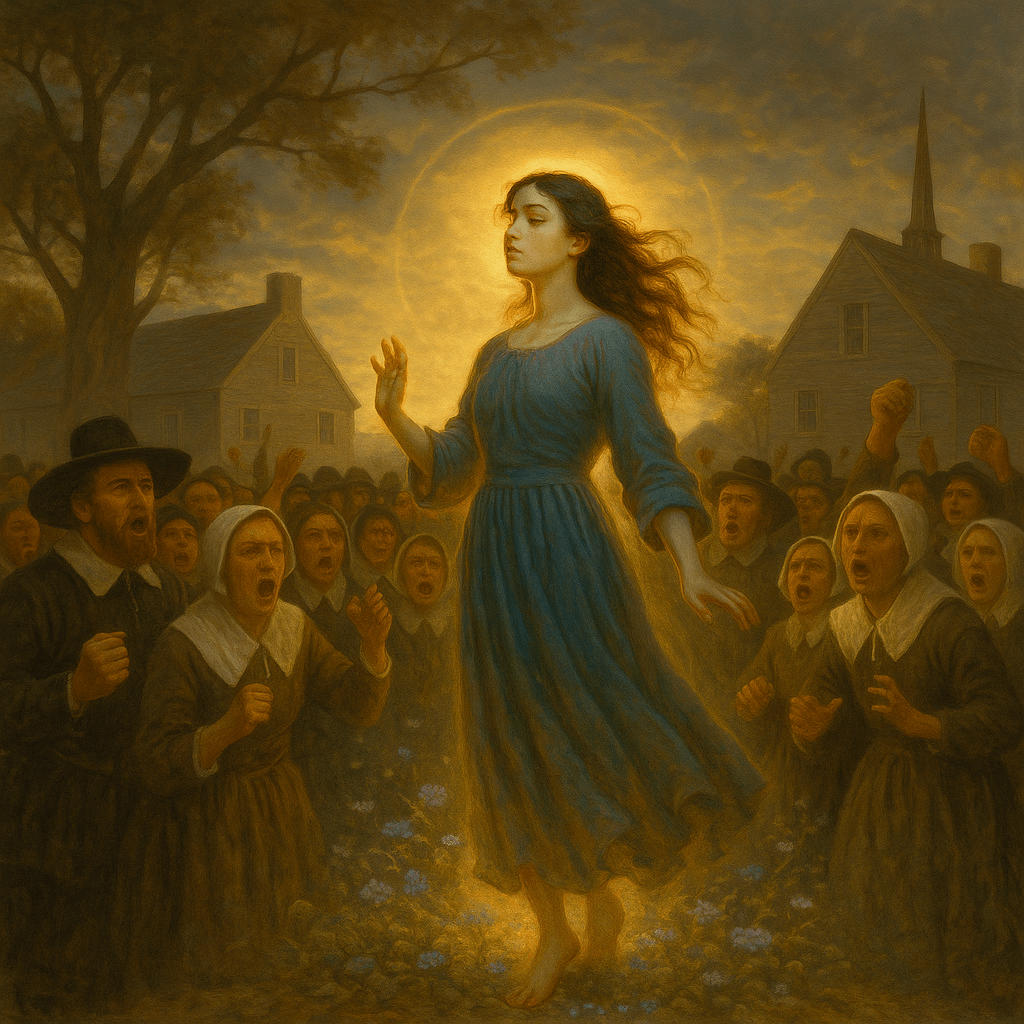
No one spoke.
Thalia looked around, as if realizing too late what her body had done. Her breath caught.
“Witch!”
“She’s calling spirits!”
“She cursed the land!”
Someone threw the first stone. It struck her shoulder.
The second hit her jaw. Blood bloomed bright across her pale skin.
Reverend Hale shouted, trying to reach her. But the crowd swelled—suddenly, violently alive.
They dragged her to the orchard post. The old feasting stake. Her family’s own tree line in view.
The flowers died beneath her. The trees recoiled.
She didn’t fight. She stood straight, wrists bound.
Someone poured lamp oil. Another lit a match.
The flames rose too fast. Faster than they should have.
The wind reversed. The air grew sharp and full, like the whole world had inhaled.
The sky cracked open—not in storm, but in light. Blinding, sterile, ancient light.
Thalia screamed.
It wasn’t divine. It was human. It tore from her like breath from glass.
And for one heartbeat, the fire and her light merged—equal forces.
Then her body arched. Her back bent so far it seemed impossible.
And the sky split white.
For three seconds, all of Beverly stopped.
The fire burned clean. No ash. No bones. No shadow.
Just scorched earth and a silence that tasted like metal.
The townspeople stared. Some sobbed. Some ran.
And then—
They forgot.
Not by magic. By choice.
They boarded the Ashline house. Cut the orchard. Buried the records. Mothers stopped telling their children their names.
By the next summer, it was as if Thalia Ashline and her family had never existed.
The Aegis Trait
They call it the Aegis Trait now.
A clinical name. Genetic. Manageable. But that’s just what the world does when it wants to pretend it understands something ancient.
Before it was the Aegis Trait, it was The Blood of Kings. The Flame Undying. The Hollow Gift. The Vein of God. Every culture had a name for it, and every name got it a little wrong.
Because the truth is, no one knows where it came from.
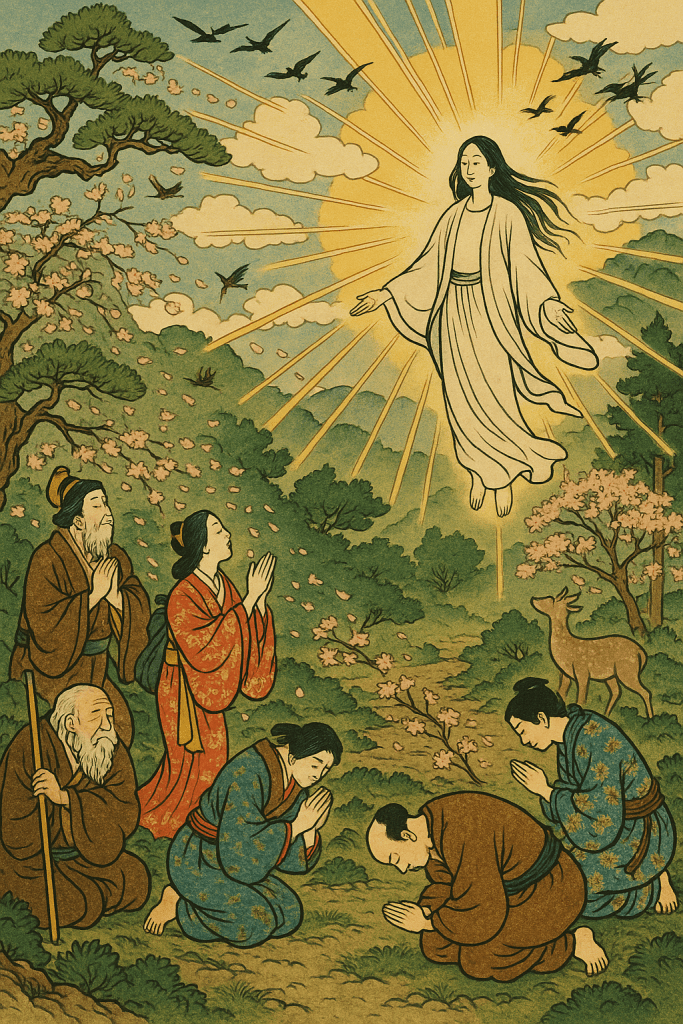
The trait is older than kingdoms. Older than myth. It began as a bond—some say a covenant, others say a mistake—between celestial beings and human bloodlines. Not gods, exactly. But not mortals either. Forces that existed in that thin space between legend and law.
What they left behind wasn’t magic. It was something quieter. Deeper. A pattern in the body. A signature in the soul.
The trait doesn’t awaken cleanly. It sleeps for generations, skipping sons, hiding in daughters, waiting for something—no one knows what. But when it stirs, the signs are always subtle. A perfect pregnancy. A child born without pain or complications. A gaze too still for a newborn. A sense of presence that people can’t name, but don’t forget.
It doesn’t make them famous. Or powerful. Not at first.
It makes them… unshakable.
And then, one day, under stress or ecstasy, the trait awakens in full.
Not like a fire starting. Like a star collapsing.
The moment bends reality. Lights dim. Time folds. Not because of a spell, but because the world reacts to them the way it once reacted to gods. Gravity forgets how to behave. People obey without understanding why. Structures hold that should fall. Or fall that should stand.
Their bodies stop aging. Their wounds vanish. They become something between a person and a force of nature.
Immortal. Inescapable. Irrevocably changed.
And dangerous.
Because the Aegis doesn’t just change the person—it disrupts the balance the Houses have kept for centuries.
There are only five families in the world known to carry it.
So when it awakens in someone else?
It’s not just rare. It’s not just a mystery. It’s a warning.



 Merritt's Imaginarium
Leave a comment